
Mega Tycoon: Build Coin World
Play2Ever GamesCasual
4.742.00 Reviews
- Version
- 0.76
- Installs
- 50.00K
- Age Rating
- Everyone 10+
Screenshots
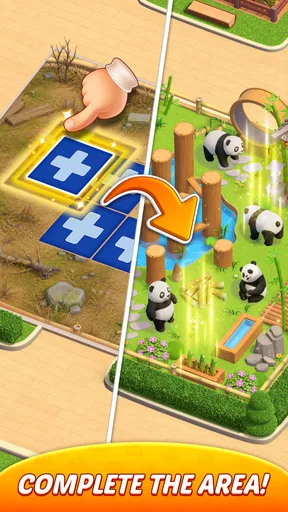
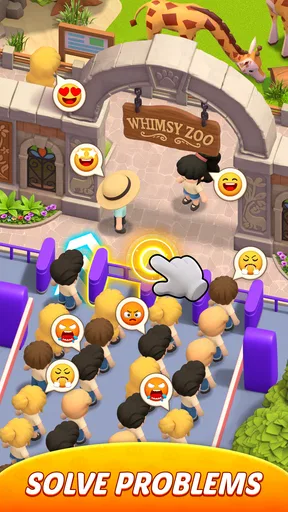
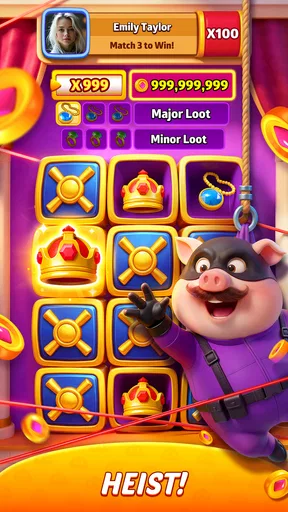
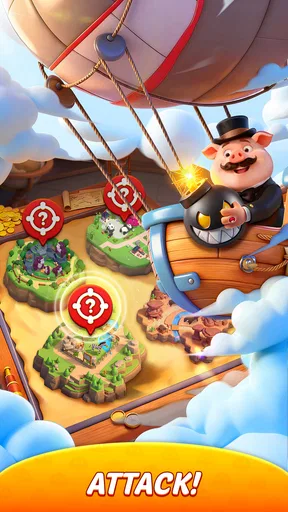

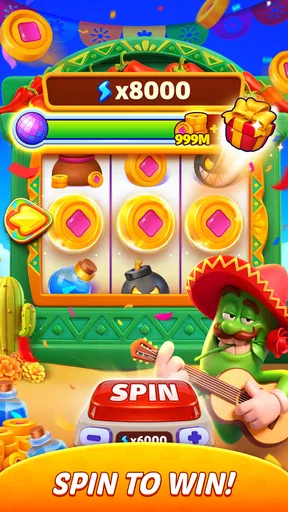
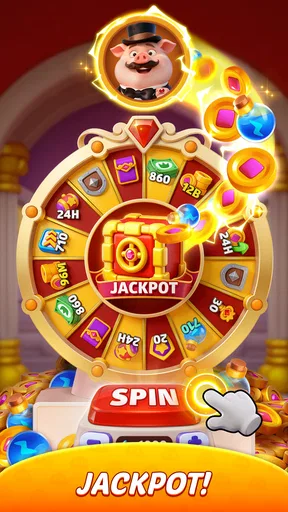
Our Review of Mega Tycoon: Build Coin World
 Analysis by Appyee
I went into Mega Tycoon: Build Coin World expecting a light management game, and that is exactly the space it occupies: a casual tycoon experience built around growing a small zoo into something much larger. The central idea is easy to understand, but the appeal comes from watching one modest attraction gradually become a broader entertainment destination. I found it most enjoyable in short sessions, especially when I wanted a low-pressure game with visible progress rather than a demanding strategy challenge.
The game is made by Play2Ever Games and is free to start. Its store summary describes the journey from zoo builder to global theme-park owner, and that gives a useful picture of the overall ambition. This is not a simulation aimed at players who want detailed accounting, realistic animal care, or a complex construction sandbox. It is a friendly, accessible idle-leaning management game for people who like unlocking improvements, collecting currency, and returning to see what has changed.
Its casual classification matters because the design is built to be approachable. I never felt that I needed to study a manual before making progress. At the same time, the simplicity means experienced tycoon players may eventually want more control than the game provides. The strongest reason to try it is the satisfying visual and economic climb from a small attraction toward a much bigger park, not deep simulation.
From a small zoo to a larger playable world
The first impression is deliberately clear. The zoo-to-theme-park premise gives the game an immediate direction, so I understood the basic fantasy before spending much time with it. Rather than presenting a complicated management dashboard, the experience focuses on the pleasure of expansion. Each improvement feels like a step toward a more ambitious destination, and that sense of scale is what keeps the early game moving.
I like that the setting gives the progression a natural story. A zoo is an inviting starting point, while the idea of eventually becoming a mega tycoon creates a reason to continue. Even when the individual actions are straightforward, they belong to a larger transformation. The game is at its best when I pause after a few upgrades and notice that the place feels more developed than when I began.
The art direction supports that readable structure. The world is presented as a cheerful, accessible place rather than a gritty business simulation. That choice makes the game comfortable for casual play and helps the expansion fantasy feel upbeat. The visual language does not ask me to interpret complicated information before acting. I can usually tell what belongs to the attraction, what represents progress, and what deserves attention next.
That clarity is especially useful on a phone. Small-screen management games can become tiring when every element competes for attention, but this one benefits from a relatively direct presentation. I can pick it up, identify the next useful action, and make progress without turning the session into a planning exercise. For someone who wants a game that explains itself through its setting, that is a real strength.
There is also a practical difference between building a park in this style and playing a traditional city or theme-park simulation. In a heavier alternative, I might spend a long time balancing staff, visitor routes, maintenance, prices, and layout efficiency. Here, the emphasis is more relaxed. The park is a reward structure as much as it is a place, and the visible growth matters more than perfect optimization.
Why the setting works for casual sessions
I found the zoo setting useful because it makes the early stages feel welcoming. A completely abstract coin generator can struggle to give its progress a sense of place, while an attraction-based setting gives the numbers a visual purpose. I am not only increasing a balance; I am helping a destination become more impressive. That small shift makes repeated actions easier to follow.
The global theme-park goal also gives the later fantasy a broader horizon. Even without treating the game as a serious business simulator, I can understand what the progression is asking me to imagine: start small, improve the attraction, and keep expanding. That is a simple loop, but it is more motivating than an isolated series of upgrades with no setting attached.
One useful way to approach it is to treat each session as a development check rather than a full management project. I open the game, look at what has accumulated or become available, make the most meaningful improvement I can afford, and leave when the next step would require more waiting. This helps the pacing feel intentional instead of making me stare at the same screen for too long.
That approach also reveals the main limitation of the world design. If you want a park where every path, attraction, and visitor decision can be controlled in detail, this is unlikely to replace a full simulation. The setting creates a pleasant frame for progression, but it does not automatically provide the depth of a construction-focused game. I would choose a more complex alternative when layout experimentation is the main reason I play.
A visual mood built around progress
The visual identity is most effective when it makes improvement easy to notice. A casual tycoon game needs more than currency counters; it needs a sense that the destination is changing. The zoo and theme-park framing gives those changes a readable context, so the game can feel rewarding even when the underlying actions are modest.
I also appreciate that the upbeat presentation keeps failure from dominating the experience. This is not the kind of game I open when I want harsh consequences or an unforgiving economic puzzle. Its mood is closer to gentle encouragement. That makes it suitable for relaxed play, including moments when I only have enough attention for a few decisions.
Still, a bright presentation can make the experience feel less substantial for players who prefer a more grounded tone. The same friendliness that helps newcomers may seem lightweight to someone looking for serious financial pressure. That is not a flaw in isolation; it is a question of fit. The game knows that its attraction comes from comfort, momentum, and expansion.
Sound, rhythm, and the feeling of a living attraction
The audio direction works best when it stays in service of the park-building mood. In a game like this, sound does not need to dominate the screen. Its job is to make actions feel acknowledged and to keep the environment from feeling completely static. I found the overall atmosphere easier to settle into when the visual presentation and the audio cues supported the same cheerful sense of activity.
That relationship between sound and rhythm matters more than any single effect. A management game can become strangely mechanical if every action feels like pressing a button in a spreadsheet. When the presentation gives those actions a little energy, collecting and upgrading feel more connected to the imagined destination. The park becomes a place I am checking on, not merely a menu I am clearing.
The pacing is similarly important. The game does not demand that I stay for a long uninterrupted session to understand its appeal. I can make progress in small visits, which suits the casual category and the mobile format. A quick check during a break feels natural because the objective remains easy to read: see what is ready, improve the park, and decide whether another action is worth the time.
My advice is not to measure the game by how much it can occupy an entire evening. It is better judged by whether its rhythm makes repeated short visits pleasant. For me, it works when I want a calm progression loop. It is less convincing when I am looking for constant surprises, rapid tactical decisions, or a soundtrack-driven arcade experience.
The rhythm also affects how I think about the game’s monetization. Because the experience is designed around gradual growth, impatience can become the main pressure point. The listed in-app purchase range starts at $0.99 and reaches $399.99 per item, so I would approach optional spending carefully. I would first decide whether I enjoy the ordinary pace before considering any purchase, and I would avoid treating a faster route as necessary for the game to be worthwhile.
Where the management loop fits
Mechanically, the game’s strongest quality is the connection between simple actions and a clear expansion fantasy. I do not need a complicated plan to understand why an improvement matters. The attraction grows, the tycoon identity becomes more believable, and the next goal gains context. That chain is easy to follow, which is exactly what I want from a casual management game.
The trade-off is strategic depth. A player who enjoys comparing several viable layouts, solving visitor-flow problems, or managing a long list of interacting systems may find the loop too gentle. The game is more about maintaining momentum than discovering a perfect operating model. I would describe it as a progression-focused tycoon game rather than a rigorous simulation.
That distinction helps answer an important practical question: is it possible to enjoy the game without spending money? Yes, the basic game is free, and I would recommend treating spending as optional rather than as part of the starting requirement. The more important question is whether the free pace suits you. If you enjoy gradual improvement, the structure can feel satisfying. If you dislike waiting or repeated accumulation, the same design may feel restrictive.
The current version is 0.76, which is worth keeping in mind when judging the experience. I see it as a game that is still in an active stage of development rather than a finished, fully mature management package. That makes it sensible to approach with some flexibility. Players who want a polished, feature-complete simulation with years of accumulated systems may prefer an established alternative, while players who enjoy watching a casual concept develop may find the current version appealing.
The game supports devices running Android 7.0 or later, so compatibility should be straightforward for many older Android phones as well as newer ones. The age classification is Everyone 10+, which matches the accessible tone and makes it a reasonable choice for younger players within that rating, provided the person responsible for the device is comfortable with the available in-app purchases.
Three ways I would play more efficiently
My first practical tip is to choose upgrades by their effect on the next visible milestone, not simply by buying whatever becomes available first. In a progression game, an improvement that opens a new stage or makes the park feel noticeably larger can be more satisfying than a small increase that only changes a number. I found it helpful to keep one clear near-term goal instead of scattering attention across every option.
Second, I would use short return visits deliberately. Rather than opening the game repeatedly without a purpose, I would check in when I can make a meaningful change. This keeps the rhythm from turning into routine tapping and makes each session feel like a small management decision. It is a particularly good approach for commuters, students between tasks, or anyone who prefers games that do not demand constant concentration.
Third, I would separate enjoyment of the park fantasy from the urge to accelerate it. The game’s appeal comes from seeing the destination develop, so removing too much waiting may also remove part of the satisfaction. Before buying anything, I would ask whether I am solving a genuine annoyance or simply trying to skip the progression that attracted me in the first place. That is the most important trade-off to understand here.
A fourth tip is to decide early whether you want atmosphere or optimization. If your goal is a pleasant park-building routine, follow the options that make the world feel more expansive. If your goal is maximum economic efficiency, you may eventually feel limited by the casual structure. Recognizing that early prevents the game from being judged against a type of simulation it was not designed to be.
Who should install it, and who should pass
I would recommend this game to players who like casual tycoon loops, visible expansion, and a friendly setting. It is a good fit if you enjoy checking a project, improving it, and returning later to see the effect. The zoo-to-theme-park journey gives the progression more personality than a purely abstract idle game, while the straightforward presentation makes it approachable for people who do not normally play management titles.
It also suits players who want a game that can be played in fragments. I can imagine using it during a short break: open the park, collect what is ready, make one considered upgrade, and close it without feeling that I abandoned a complicated operation. That kind of low commitment is one of its clearest everyday strengths.
I would skip it if your priority is deep construction freedom, detailed animal simulation, competitive strategy, or a strong narrative campaign. I would also be cautious if you are easily frustrated by gradual progression or if optional purchases tend to tempt you into spending more than planned. A traditional theme-park simulator is the better choice for detailed layouts, while a puzzle or action game will provide more immediate variety and pressure.
The rating gives the game a strong first impression, with a 4.7 average from around 735 ratings. Its reach is also meaningful for a newer casual title, with over 50 thousand installs. Those figures suggest that the core idea is connecting with players, but they do not change my main advice: decide based on your tolerance for a gentle, progression-led pace rather than on popularity alone.
The atmosphere holds together, with clear boundaries
What I like most is the coherence between the setting, art direction, sound, and mechanics. The zoo-to-theme-park idea supplies the destination, the cheerful presentation makes expansion feel inviting, and the relaxed rhythm supports short sessions. None of those elements tries to turn the game into something harsher or more complicated than it is. The result is a consistent casual mood.
That consistency is also why the limitations are easy to identify. The game does not appear aimed at players who want every management variable exposed or every choice to carry serious consequences. Its satisfaction comes from steady development and a readable sense of scale. Once I understood that, I enjoyed it more because I stopped expecting a full business simulator and started appreciating it as a compact park-growth experience.
Play2Ever Games has chosen a familiar formula, but the zoo-to-global-park framing gives it a useful identity. The free entry point makes it easy to test, and the Everyone 10+ rating reflects its broadly approachable presentation. Just remember that the optional purchase range is wide, and keep spending separate from whether the underlying loop is enjoyable at its normal pace.
My final view is positive but measured. Mega Tycoon: Build Coin World is worth trying if you want a calm casual game where a small zoo gradually becomes a bigger entertainment world. I would recommend it to a friend who enjoys light tycoon progression and short, satisfying check-ins. I would not recommend it to someone seeking detailed simulation or constant strategic tension. Its best achievement is not complexity; it is creating a coherent, comfortable mood in which every modest improvement feels like part of a larger park-building journey.
Verdict
Strengths of Mega Tycoon: Build Coin World
- Simple controls make it easy for new players to start building.
- Frequent rewards help maintain progress during short play sessions.
- Multiple buildings create a satisfying sense of city expansion.
- Bright visuals make the game appealing on smaller phone screens.
- Idle income lets your world grow even when you are away.
Limitations of Mega Tycoon: Build Coin World
- Progress can become repetitive after the initial building phase.
- Upgrade costs may rise quickly and slow down city development.
- Some rewards and boosts may depend heavily on watching ads.
- The game may require regular tapping to maximize earnings.
- Limited strategic depth could disappoint experienced tycoon players.
Other Releases by Play2Ever Games
View All
Color Block Run - Puzzle Game
Puzzle4.9
Similar Picks in This Category
View All
My Talking Angela
Outfit7 Limited4.2

My Talking Tom
Outfit7 Limited4.3

Pou
Zakeh4.2

My Talking Tom 2: Pet Game
Outfit7 Limited4.3

Candy Crush Saga
King4.6

Bridge Race
Supersonic Studios LTD4.1
Frequently Asked Questions
What is Mega Tycoon: Build Coin World about?
Mega Tycoon: Build Coin World is a casual simulation and building game focused on creating and expanding your own coin-powered world. You typically develop structures, collect income, unlock new areas, and reinvest your earnings to grow faster. Its straightforward progression makes it accessible to beginners, while upgrades and expansion goals provide enough variety for players who enjoy incremental management games.
Is Mega Tycoon: Build Coin World free to download and play?
The game is generally available as a free download, allowing players to start building without paying upfront. However, free-to-play titles commonly include optional in-app purchases, such as currency packs, boosts, or items that speed up progress. You can usually play without spending money, but progression may feel slower at certain points. Check the store listing for current purchase details.
Does Mega Tycoon: Build Coin World require an internet connection?
Whether an internet connection is required can depend on the version and the feature being used. Basic building and progression may work offline in some releases, while advertisements, cloud saving, rewards, updates, and purchase verification generally need internet access. Before traveling or playing without data, test the game in offline mode because functionality can vary after updates.
Is Mega Tycoon: Build Coin World suitable for children?
Mega Tycoon: Build Coin World uses simple management and construction mechanics that may be suitable for younger players, but parents should review the age rating and store description before installation. The main concerns are advertising, optional in-app purchases, and possible online features rather than complex gameplay. Enabling parental controls and requiring purchase approval is recommended for child accounts.
What devices can run Mega Tycoon: Build Coin World?
The game is designed for mobile devices, but compatibility depends on the operating system version, available storage, and the developer’s current requirements. Before downloading, compare your Android or iPhone/iPad version with the information shown on the official app store page. Keeping several hundred megabytes of free space and using an updated operating system can also help reduce installation and performance problems.
Play our best games!


